Here’s something that’ll blow your mind: the way fintech companies decide whether to lend you money is getting a serious upgrade. And I’m not talking about minor tweaks to old formulas — I’m talking about reinforcement learning algorithms that literally learn from every lending decision they make.
Best Python ML Books for Advanced Practitioners (Expert Reviews)
on
Get link
Facebook
X
Pinterest
Email
Other Apps
You’ve already read “Python Machine Learning for Beginners” and crushed the basics. You can build a classifier in your sleep, you understand gradient descent, and you’ve deployed models to production. Now you’re sitting there thinking: “What’s next? Where do I actually level up?”
Here’s the problem with most ML book recommendations — they’re written by people who’ve never actually worked on complex, real-world problems. I’ve spent the last six years building production ML systems, and I’ve read probably 40+ ML books trying to find the gems. Most were mediocre. Some were terrible. But a handful? Absolute game-changers.
What Makes a Book “Advanced”?
Before we jump in, let’s clarify what I mean by “advanced.” I’m not talking about books that throw mathematical notation at you for 300 pages. I’m talking about resources that:
Assume you know the basics and skip the fluff
Cover real-world challenges like model deployment, monitoring, and debugging
Go deep on specific topics rather than superficially covering everything
Include practical code you can actually use
If you’re still struggling with train/test splits or what a neural network is, this list isn’t for you (yet). These books are for practitioners who want to go from competent to expert.
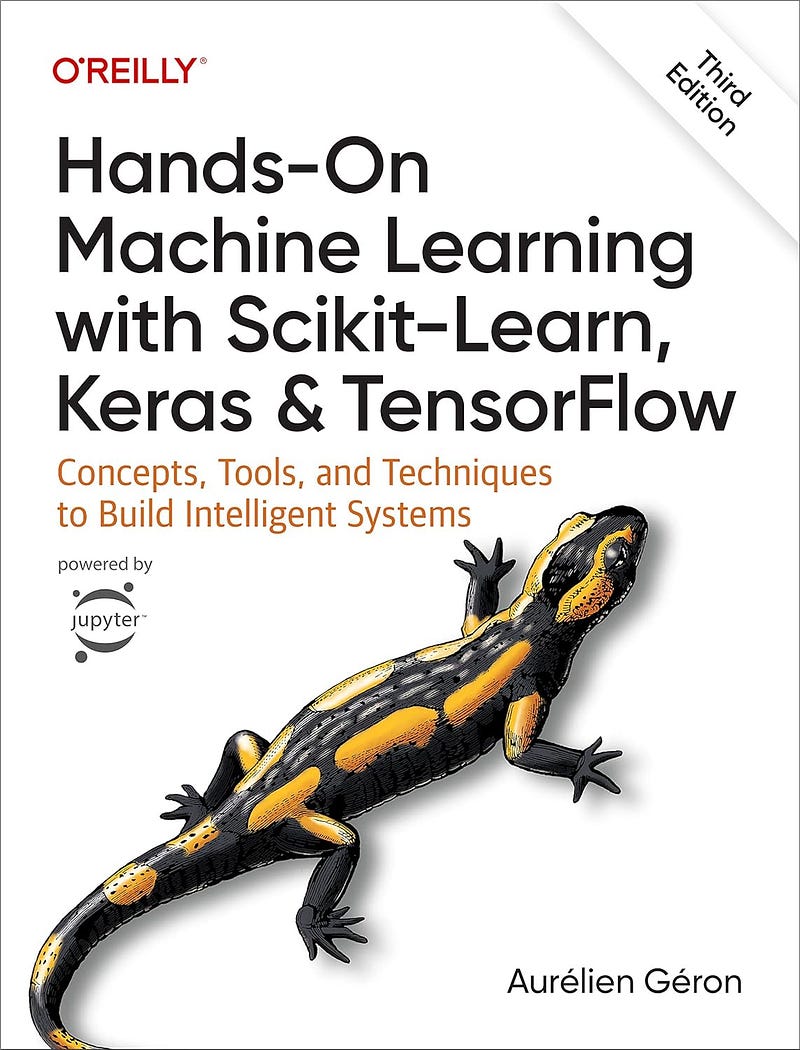
Hands-On Machine Learning with Scikit-Learn, Keras & TensorFlow (3rd Edition)
Okay, so this might technically be classified as intermediate by some, but the third edition is a different beast entirely. Géron updated it with transformers, advanced deep learning architectures, and production deployment strategies that most “advanced” books skip.
What Makes It Great
The book strikes this perfect balance between theory and practice. You’re not just reading about algorithms — you’re implementing them, debugging them, and understanding when they fail. The chapters on ensemble methods and deep learning are particularly strong.
I keep this book on my desk (literally, right now) because the code examples are production-quality. Géron doesn’t give you toy examples that break in real scenarios. He shows you how to handle imbalanced datasets, deal with messy data, and optimize for actual business metrics.
Best Chapters for Advanced Practitioners
Chapter 7 on Ensemble Learning: Goes way beyond “here’s what a Random Forest is”
Chapters 13–16 on Deep Learning: Covers CNNs, RNNs, attention mechanisms in depth
Chapter 19 on Production Systems: This alone is worth the price
Who Should Read It
Perfect if you’ve got 1–2 years of ML experience and want a comprehensive reference that goes deeper than tutorials but isn’t pure academic theory. The third edition’s focus on transformers and production ML makes it incredibly relevant for 2024–2025.
Price: ~$70 | Pages: 850+ | Difficulty: Intermediate to Advanced
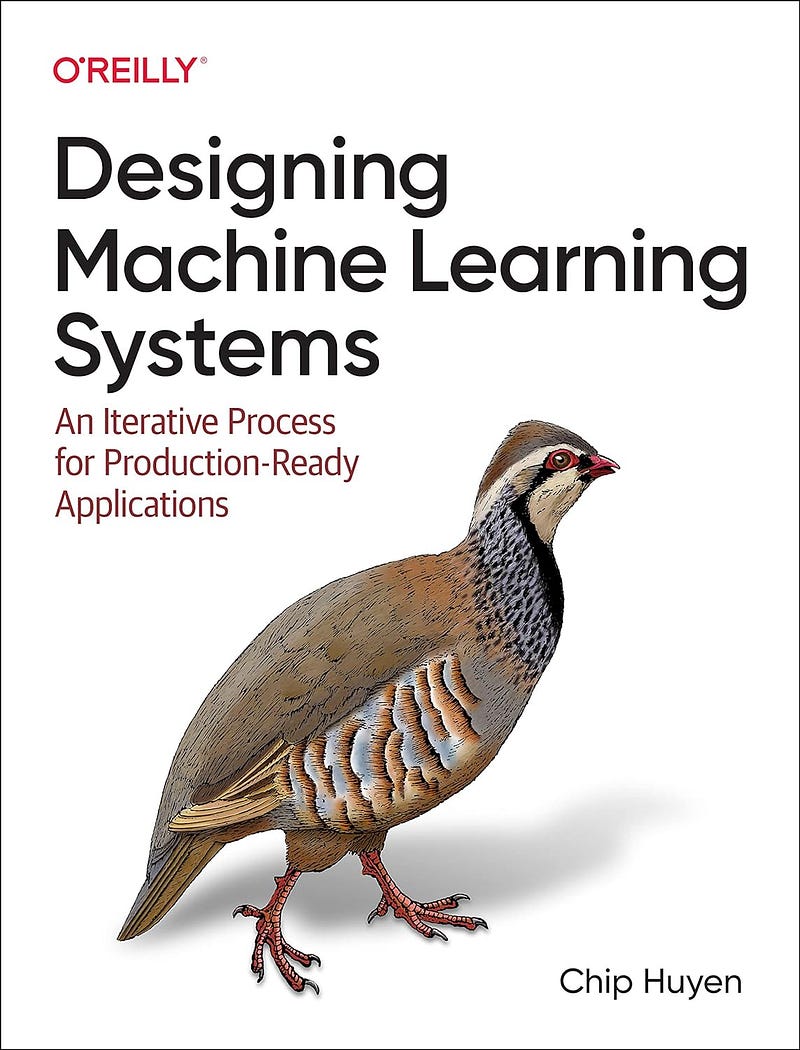
This book changed how I think about ML entirely. It’s not about algorithms — it’s about building systems that actually work in production. And honestly? That’s where 90% of the hard problems live.
Why It’s a Must-Read
Most ML books end when you get a good accuracy score on your test set. Huyen’s book starts there. How do you deploy this? How do you monitor it? What happens when data distribution shifts? How do you handle model degradation?
I worked on a recommendation system that performed beautifully in development and completely flopped in production. Reading this book six months earlier would have saved me weeks of pain. Huyen covers data versioning, feature stores, model serving, and monitoring with practical examples from real companies.
Key Insights
Chapter 4 on Training Data completely changed how I handle data quality
Continual learning and model updating strategies are rarely covered elsewhere
Discussion of infrastructure choices (batch vs. online, edge vs. cloud) is incredibly practical
The Catch
This isn’t a “follow along and code” book. It’s more strategic — you’re learning to make architectural decisions, not implement specific algorithms. If you want code examples for every concept, you’ll be disappointed.
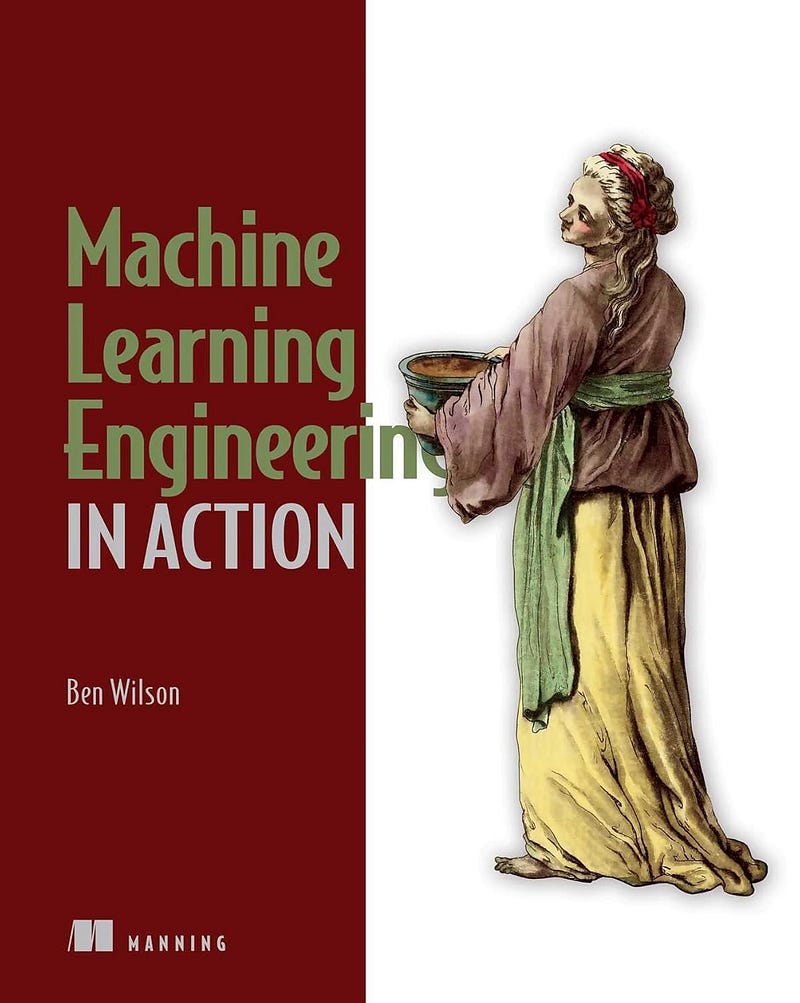
Ever wondered what actually happens at companies like Netflix, Uber, or Airbnb when they build ML systems? This book pulls back the curtain, and it’s fascinating.
What Sets It Apart
Wilson spent years at Databricks working with companies implementing ML at scale. This book is basically him sharing war stories and lessons learned. The case studies are real — actual problems, actual solutions, actual failures.
The chapter on experimentation and A/B testing for ML models is the best I’ve read anywhere. Most books mention “oh yeah, you should A/B test” and move on. Wilson spends 60 pages on the nuances, the gotchas, and the statistical pitfalls. That’s the depth I’m talking about.
Model versioning: Actually useful strategies, not theoretical BS
Feature stores: When you need them, how to build them
Real-time inference: Trade-offs between latency and accuracy
I implemented the feature store pattern from Chapter 6 in a project last year, and it cut our feature engineering time by 60%. The code examples are in Python and actually work (revolutionary concept, I know).
Who Should Skip It
If you’ve never deployed a model to production, some concepts will go over your head. This assumes you’ve felt the pain of production ML and are looking for solutions.
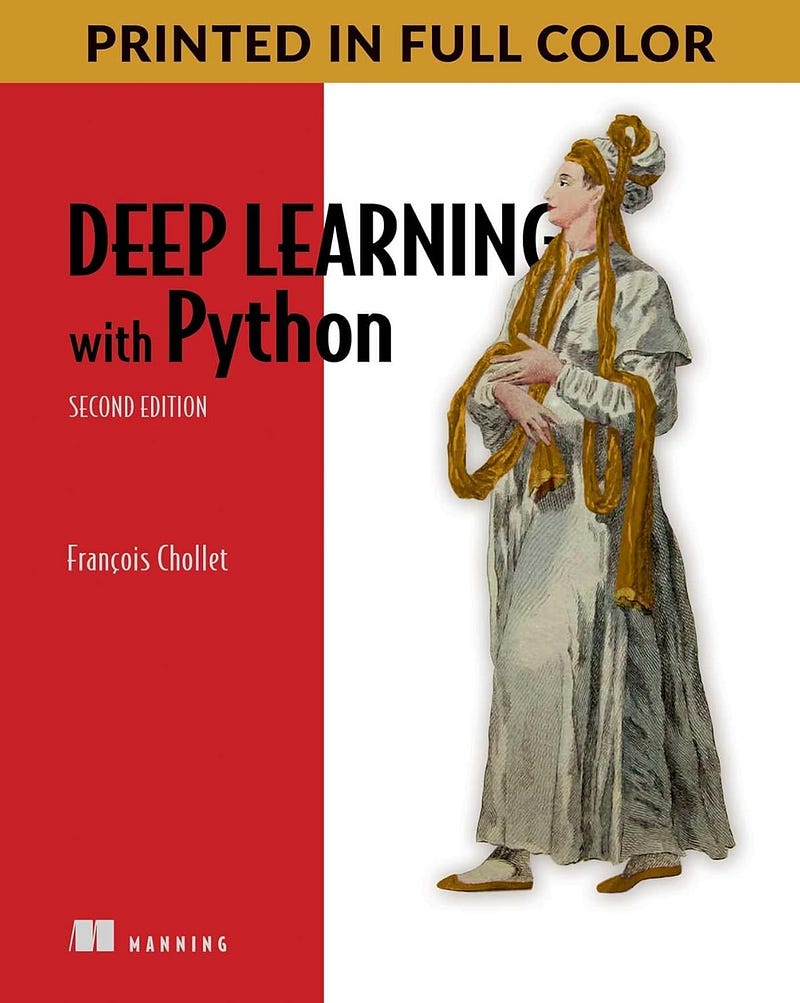
Learning deep learning from the person who built Keras? Yeah, that’s a pretty good idea. The second edition came out in 2021 and covers modern architectures like transformers and vision transformers.
Why Chollet’s Approach Works
Most deep learning books either go full academic (here’s 200 pages of calculus) or full hand-wavy (“neural networks are like the brain!”). Chollet finds the middle ground. He explains why architectures work without drowning you in math.
The section on attention mechanisms finally made the concept click for me. I’d read papers, watched videos, and still felt fuzzy on the details. Chollet’s explanation with working code? Crystal clear.
Standout Content
Computer vision with CNNs: Goes beyond basic classification
Sequence modeling: RNNs, LSTMs, and when to use each
Generative models: VAEs and GANs with practical examples
Best practices: Regularization, optimization, debugging techniques
The debugging section is criminally underrated. Chollet shows you how to diagnose when your network isn’t training, when it’s overfitting, and how to fix it. This saved me countless hours of trial and error.
The Python Aspect
All examples use Keras and TensorFlow 2.x. If you’re a PyTorch person, some translation is needed, but the concepts transfer directly. The code is clean, well-commented, and actually runs without mysterious errors.
Price: ~$65 | Pages: 500 | Difficulty: Intermediate to Advanced
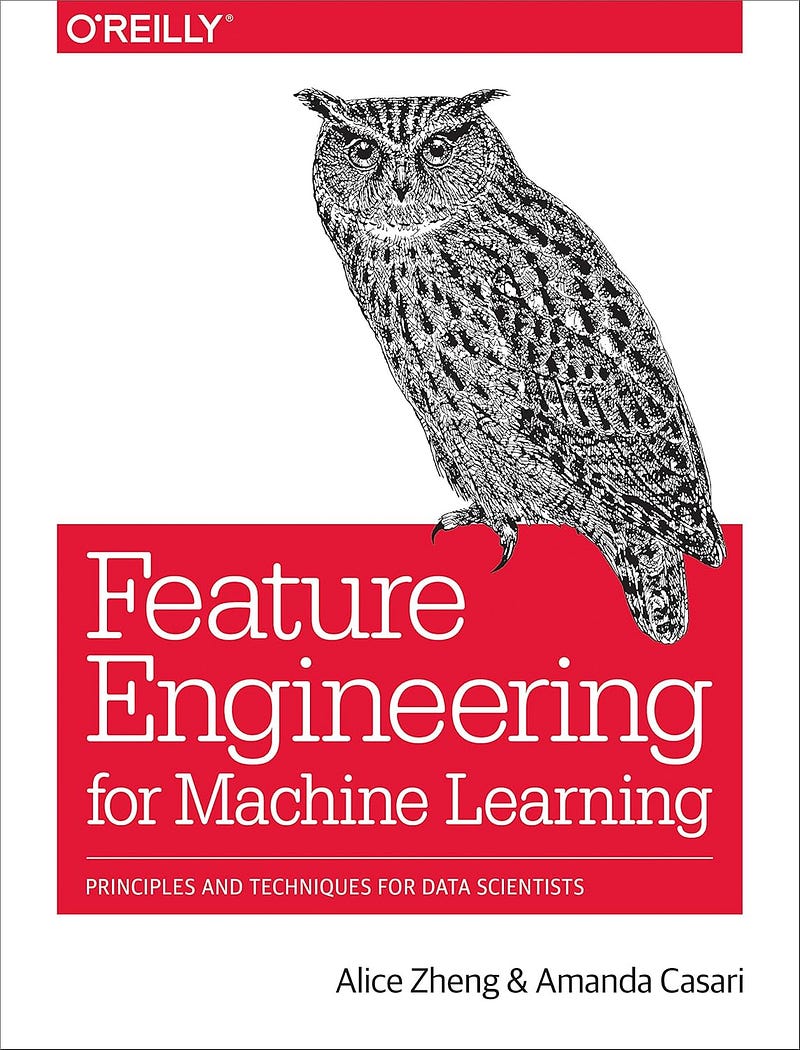
Okay, hear me out. This book is from 2018, and normally I’d say that’s ancient in ML years. But feature engineering fundamentals haven’t changed, and this book is still the definitive resource.
Why Feature Engineering Matters
I’ve seen simple models with brilliant features destroy complex models with raw data more times than I can count. Yet most books dedicate maybe one chapter to features. Zheng and Casari wrote an entire book, and it’s incredibly practical.
What You’ll Learn
Text features: Beyond basic bag-of-words, including TF-IDF, embeddings, and contextual representations
Categorical encoding: When to use one-hot, target encoding, embeddings, and the trade-offs
Time-series features: Lag features, rolling statistics, seasonality — stuff that actually works
Feature selection: How to systematically identify what matters
The chapter on handling high-cardinality categoricals solved a problem I’d been struggling with for weeks. Customer IDs with millions of unique values? They show you three different approaches with pros and cons for each.
Practical Examples
Every technique includes Python code with pandas and scikit-learn. No theoretical descriptions — you see the code, run it, and understand exactly what’s happening. The case studies use real datasets (Yelp reviews, taxi trips) so you’re learning with realistic data.
Limitations
It predates some modern tools like Feature-engine and doesn’t cover automated feature engineering. But the fundamentals it teaches make understanding those tools way easier.
Price: ~$50 | Pages: 220 | Difficulty: Intermediate to Advanced
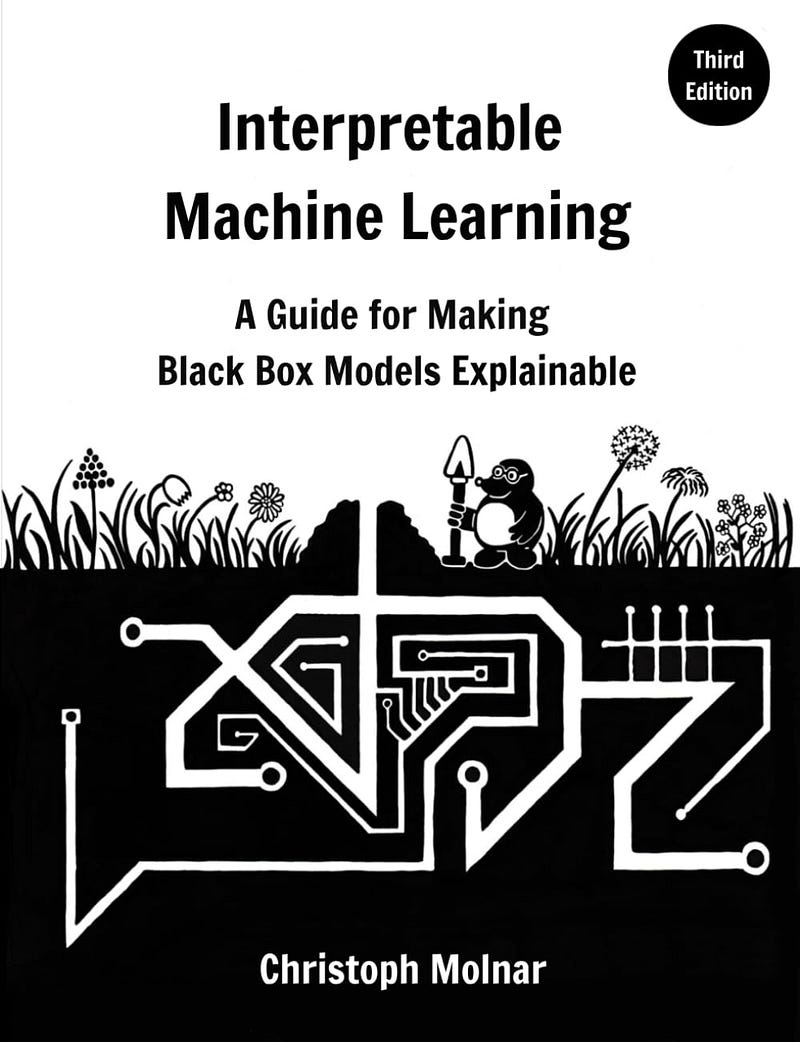
This is a free online book (also available in print), and it’s essential reading if you work in regulated industries or need to explain model decisions to stakeholders.
Why Interpretability Matters Now
Throwing black-box models into production isn’t acceptable anymore. Regulators want explanations. Customers want transparency. Stakeholders want to understand why the model made certain decisions. This book shows you how to provide that.
Model-specific interpretability: Linear models, tree-based models, neural networks
Practical considerations: Trade-offs between accuracy and interpretability
Case studies: Real examples of interpretation in practice
I used the SHAP techniques from Chapter 9 to debug a model that was making nonsensical predictions. Turns out it was heavily weighting a feature with data leakage. Without interpretation tools, I never would have caught it.
The Free Aspect
The book is freely available online, making it accessible to everyone. The print version is nice to have for reference, but you can start reading immediately :/
Wait, isn’t this a data analysis book, not ML? Yes, but here’s the thing: you spend more time wrangling data than training models. Advanced practitioners need advanced data manipulation skills, and this is the definitive resource.
Why Include It
The third edition (2022) covers modern pandas patterns, performance optimization, and working with large datasets. If you’re still using .iterrows() or don't know about .pipe(), you're leaving massive efficiency gains on the table.
Time series: Advanced resampling, rolling windows, timezone handling
GroupBy mechanics: Understanding split-apply-combine at a deep level
Data cleaning: Professional patterns for messy real-world data
The chapter on categorical data changed how I handle high-cardinality features. McKinney shows memory-efficient patterns that make your data pipelines 10x faster in some cases.
When You Need It
If you find yourself fighting with pandas, spending hours on data cleaning, or wondering why your data processing is slow — this book is worth it. It’s reference material more than cover-to-cover reading.
Price: ~$65 | Pages: 550 | Difficulty: Intermediate to Advanced
Natural Language Processing with Transformers
Authors: Lewis Tunstall, Leandro von Werra, Thomas Wolf
If you’re working with text, transformers are unavoidable in 2024–2025. This book, written by Hugging Face team members, is the definitive guide to actually using them.
What Makes It Valuable
Plenty of resources explain transformer architecture. This book shows you how to fine-tune, deploy, and optimize transformers for real tasks. The authors know the Hugging Face ecosystem inside out, and it shows.
Practical Focus
Fine-tuning strategies: When to fine-tune, how much data you need, compute requirements
Optimization: Making transformers fast enough for production
Multilingual models: Working with non-English text effectively
I was struggling with a multilingual classification task, and Chapter 4 on cross-lingual models provided exactly the guidance I needed. Went from 72% accuracy to 89% by following their recommended approach.
Code Quality
Examples use the Transformers library (obviously) with clean, production-ready patterns. You’re not getting notebooks with “this might work” code — you’re getting battle-tested implementations.
Price: ~$60 | Pages: 400 | Difficulty: Advanced
Bonus: Books I Don’t Recommend
Let me save you some money and time. These are popular books that I found disappointing:
“Python Machine Learning” by Sebastian Raschka
Great for beginners, but if you’re advanced, it’s too basic. The latest edition tries to cover too much without going deep enough on anything.
“Introduction to Statistical Learning” (Python Edition)
Don’t get me wrong — the R version is fantastic. The Python edition feels like a rushed translation. Stick with the R version and translate concepts yourself if needed.
Most “Deep Learning from Scratch” Books
Building neural networks from scratch is educational once. Doing it for 300 pages? Diminishing returns. You’re better off reading papers and implementing specific architectures.
How to Choose What to Read Next
Here’s my recommendation based on your current situation:
If you need to deploy models to production:
Designing Machine Learning Systems (Huyen)
Machine Learning Engineering in Action (Wilson)
If you’re focusing on deep learning:
Deep Learning with Python (Chollet)
Natural Language Processing with Transformers (Tunstall et al.)
If you need to improve model performance:
Feature Engineering for Machine Learning (Zheng & Casari)
Hands-On Machine Learning (Géron)
If you need to explain your models:
Interpretable Machine Learning (Molnar)
If data wrangling is your bottleneck:
Python for Data Analysis (McKinney)
You don’t need to read all of these. Pick 2–3 that address your specific pain points and go deep. Read actively — implement examples, adapt techniques to your problems, and build your own reference notes.
Reading Strategy That Actually Works
Here’s how I approach technical books (learned this the hard way after wasting money on books I never finished):
1. Don’t Read Cover-to-Cover
Technical books aren’t novels. Identify the chapters that solve your current problems and start there. You can always come back to other sections later.
2. Code Along
Don’t just read the examples — type them out, run them, break them, fix them. The time investment is worth it for the deeper understanding you gain.
3. Build a Reference System
I keep a personal wiki with notes from each book — key concepts, code snippets I might reuse, and links to relevant chapters. When I hit a problem six months later, I can quickly find solutions.
4. Apply Immediately
Read a technique, apply it to your current project within a week. Otherwise, you’ll forget it. Real-world application cements knowledge way better than theoretical reading.
Final Thoughts
The difference between intermediate and advanced practitioners isn’t knowing more algorithms — it’s knowing how to build robust systems that work in production, how to debug subtle issues, and how to make the right architectural decisions for your specific context.
These books represent thousands of hours of distilled experience from people who’ve built real ML systems. You’re not just learning techniques; you’re learning to think like an experienced ML engineer.
Start with one book that addresses your biggest current challenge. Read it actively, implement the techniques, and see what improves. Then move to the next one. In six months, you’ll be solving problems that seem impossible right now.
FYI, I still reference these books regularly. Even after years of experience, there are concepts I need to revisit, techniques I forgot about, and new patterns to learn. That’s what makes them valuable — they’re not just learning resources, they’re career-long references.
Now stop reading reviews and go pick up one of these books. Your future self — the one who just shipped a successful ML system — will thank you for it :)
If you like this post pls support from the link given in Bio. thank you!
Comments
Post a Comment