Here’s something that’ll blow your mind: the way fintech companies decide whether to lend you money is getting a serious upgrade. And I’m not talking about minor tweaks to old formulas — I’m talking about reinforcement learning algorithms that literally learn from every lending decision they make.
Best Algorithmic Trading Books for RL Practitioners: Expert Reviews
on
Get link
Facebook
X
Pinterest
Email
Other Apps
So you've mastered reinforcement learning, and now you're eyeing the financial markets like they're your next playground. Smart move. But here's the thing—jumping into algorithmic trading without understanding the domain is like trying to land a plane after only playing flight simulators. Sure, you know some controls, but the real world has a nasty habit of being way more complicated.
I've been down this rabbit hole myself, spending countless hours (and making plenty of expensive mistakes) learning how RL applies to trading. The good news? There are some genuinely excellent books that bridge the gap between RL theory and practical trading. Let me walk you through the ones actually worth your time and money.
Why RL Practitioners Need Trading-Specific Knowledge
Before we get to the book list, let's talk about why you can't just apply your RL knowledge directly to trading without some serious domain education.
Financial markets are uniquely challenging environments for RL. The reward signals are noisy, the environment is non-stationary (markets change constantly), and your actions can actually affect the environment (especially if you're trading with significant capital). Plus, there's this annoying thing called transaction costs that can destroy otherwise profitable strategies.
You need to understand market microstructure, risk management, portfolio theory, and the specific quirks of different asset classes. Without this foundation, your beautifully trained RL agent will likely just lose money in creative and expensive ways.
Trust me, I learned this the hard way :/
The books I'm recommending here fill those knowledge gaps specifically for people who already understand RL but need the trading context to apply it effectively.
The Essential Foundation Books
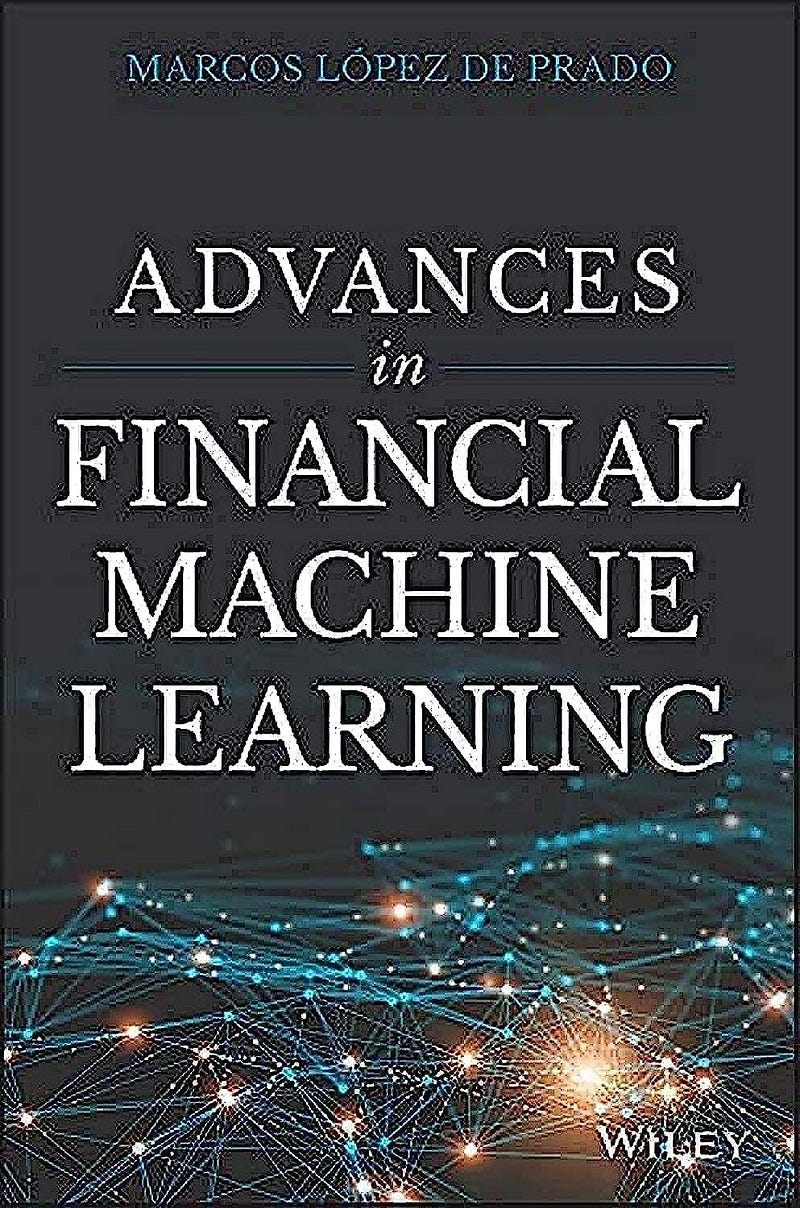
"Advances in Financial Machine Learning" by Marcos López de Prado
Let's start with the heavyweight champion. If you only read one book on this list, make it this one.
López de Prado isn't some academic who's never traded real money—he's managed billions in quantitative strategies and knows exactly where theory meets brutal reality. This book is specifically written for machine learning practitioners entering finance, which makes it perfect for RL folks.
What makes it special:
Focuses on the practical problems that kill ML strategies in production
Covers feature engineering for financial data (way different than images or text)
Explains how to properly backtest without fooling yourself
Addresses the non-stationarity problem that makes finance so tricky
Discusses meta-labeling and other advanced techniques
The chapter on "The Dangers of Backtesting" alone is worth the price. López de Prado shows you all the ways you can accidentally trick yourself into thinking you have a profitable strategy when you really don't. It's like a masterclass in not losing money.
Fair warning: this isn't light reading. It's technical, assumes you're comfortable with math, and doesn't hold your hand. But if you're working with RL, you can handle it.
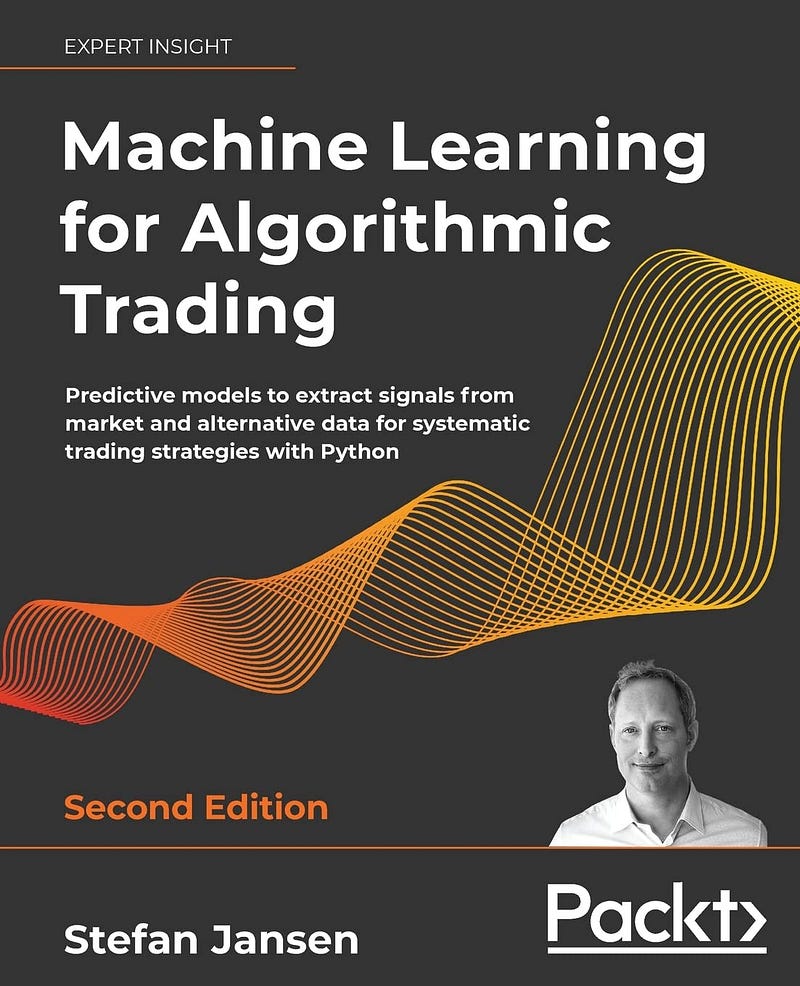
"Machine Learning for Algorithmic Trading" by Stefan Jansen
While López de Prado gives you the theory, Jansen gives you the implementation. This book is incredibly practical and includes tons of code examples specifically for trading applications.
How to work with financial data from various sources
Feature engineering techniques specific to time series
Multiple ML approaches including deep learning and RL
Strategy backtesting and evaluation
Portfolio optimization
The RL sections aren't as deep as dedicated RL books, but that's actually perfect—Jansen shows you how to apply RL to trading problems without getting lost in theoretical weeds. He focuses on practical implementation details that you won't find in academic papers.
I particularly appreciate that he doesn't pretend everything works perfectly. He shows failed strategies alongside successful ones, which is refreshingly honest and way more educational.
Deep RL Applied to Trading
"Deep Reinforcement Learning for Trading" by Sebastian Janisch and Angelos Filos
Okay, this one is laser-focused on exactly what you need. It's a shorter book but packed with relevant information about applying deep RL specifically to financial markets.
The authors walk through:
Why traditional RL approaches often fail in trading
How to design appropriate reward functions (spoiler: it's not just profit)
State representation for market data
Action space design for different trading scenarios
Risk management within the RL framework
What I love about this book is that it doesn't shy away from the challenges. Trading with RL is hard, and the authors explain why while offering practical solutions. They discuss issues like sparse rewards, exploration vs. exploitation in financial contexts, and how to handle market regime changes.
The code examples are in Python using modern frameworks, so you can actually implement these strategies without translating from pseudocode or ancient C++ libraries.
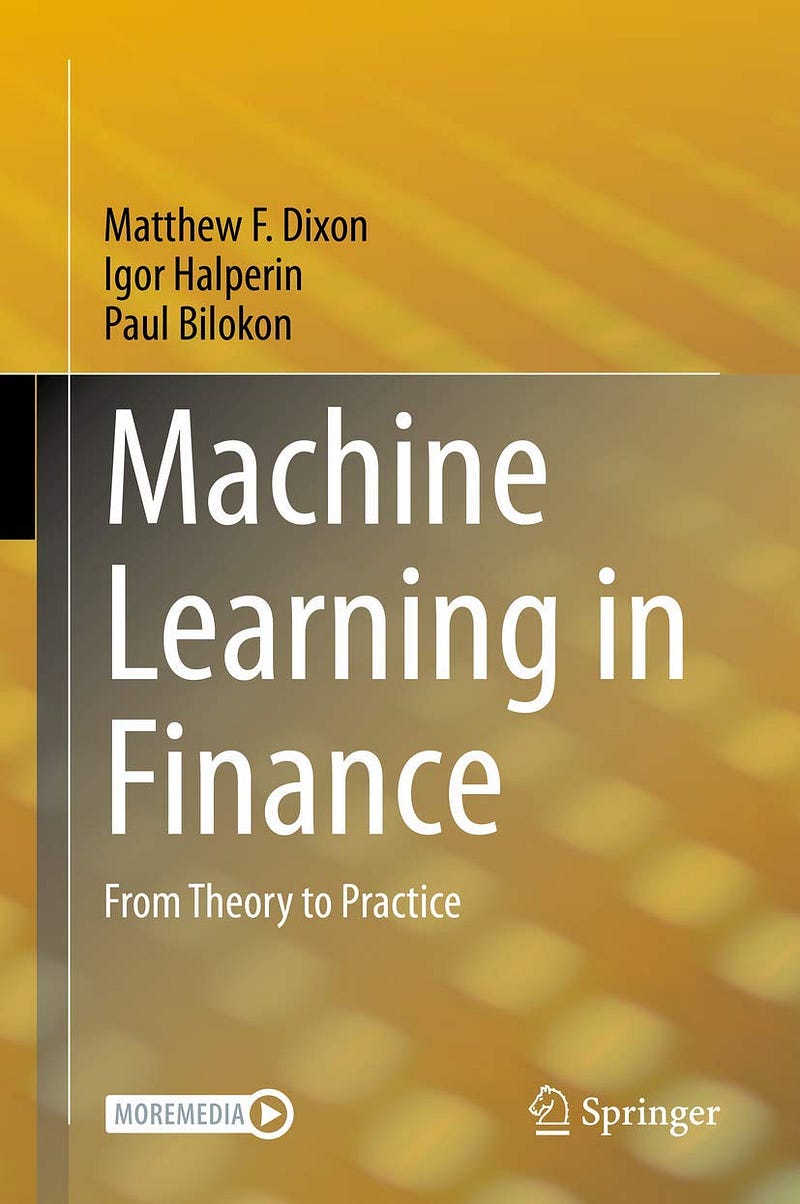
"Reinforcement Learning for Finance" by Igor Halperin
Halperin brings serious academic credibility to this topic—he's worked in both academia and industry quantitative finance. This book is more theoretical than Janisch's but still maintains practical relevance.
Inverse reinforcement learning for understanding market behavior
Model-based vs. model-free approaches in finance
The chapter on inverse RL is particularly interesting. The idea is to learn what objectives other market participants are optimizing for, which can give you an edge in predicting their behavior. It's clever stuff that you won't find in general RL textbooks.
This book assumes strong mathematical background, so brush up on your stochastic calculus if it's been a while. Worth it, though, for the insights.
Understanding Market Microstructure
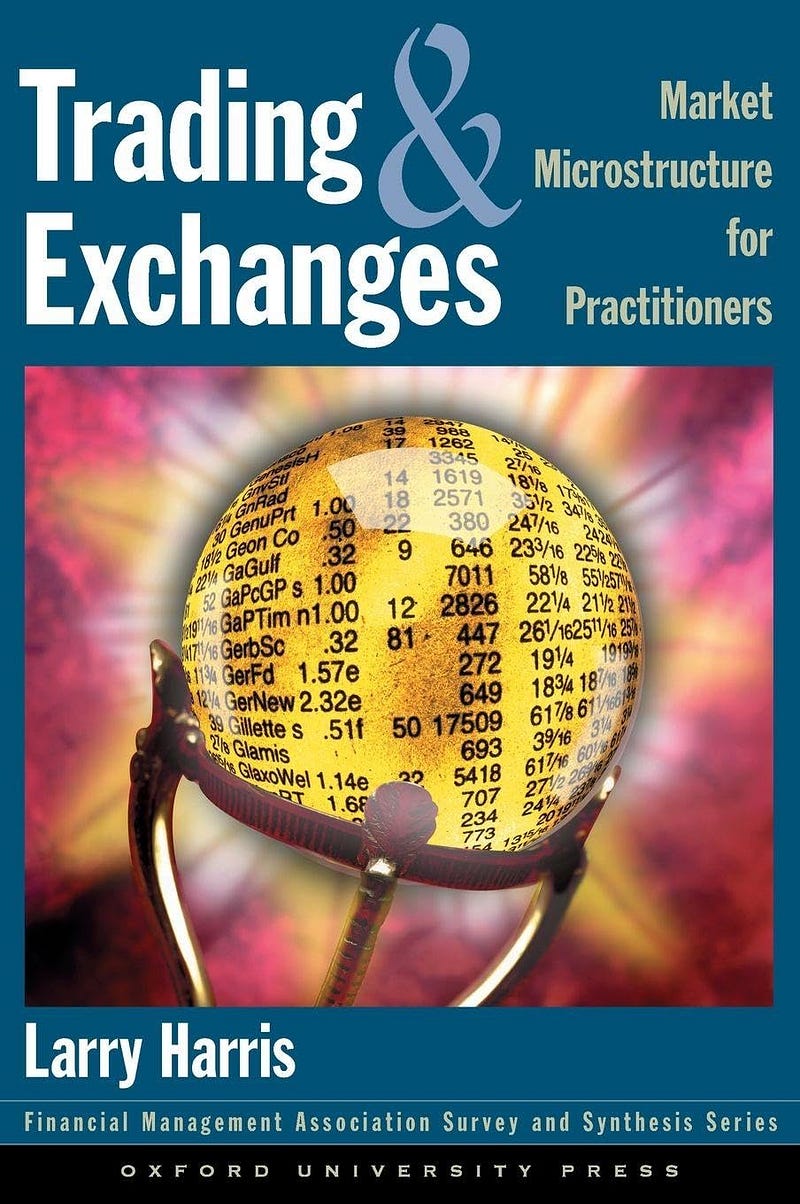
"Trading and Exchanges: Market Microstructure for Practitioners" by Larry Harris
Here's the thing nobody tells RL practitioners: you need to understand how markets actually work mechanically before you can build effective trading agents.
Harris's book is the bible of market microstructure. It explains:
How order books function
Different order types and their uses
Market making and liquidity provision
Price discovery mechanisms
Transaction costs and market impact
Why does this matter for RL? Because your agent’s actions don’t happen in a vacuum. When you place an order, you’re interacting with a complex system of other traders, market makers, and electronic systems. Understanding this helps you design better state representations and more realistic training environments.
This book isn’t specifically about ML or RL, but the knowledge is foundational. You can’t build a sophisticated trading agent without understanding what happens when your agent actually executes trades.
Quantitative Portfolio Management
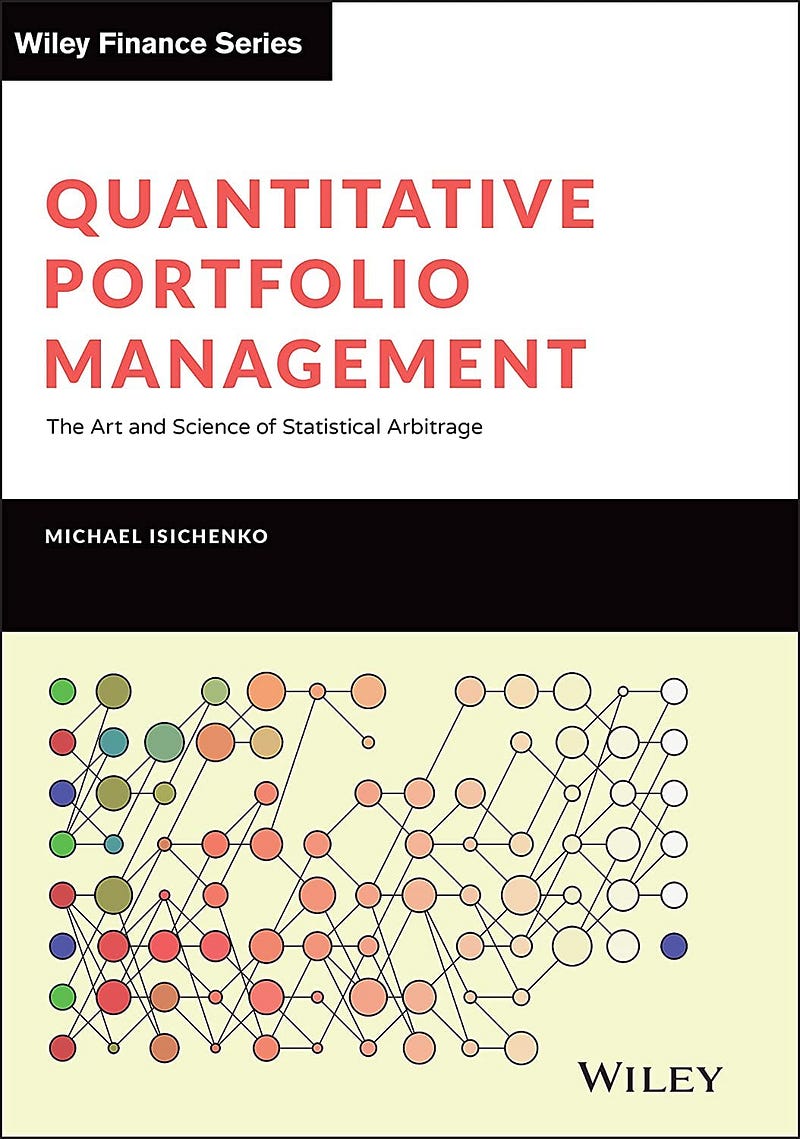
“Quantitative Portfolio Management: The Art and Science of Statistical Arbitrage” by Michael Isichenko
If you’re thinking about using RL for portfolio management rather than single-asset trading, this book is essential reading.
The sections on risk management are particularly valuable. One of the biggest mistakes RL practitioners make in trading is focusing purely on returns without properly accounting for risk. This book shows you how to think about risk-adjusted performance, which should absolutely be part of your reward function design.
Isichenko also discusses the practical considerations of running a portfolio at scale — things like rebalancing frequency, capacity constraints, and dealing with corporate actions. These real-world details rarely appear in RL papers but matter enormously in practice.
The Reality Check Books
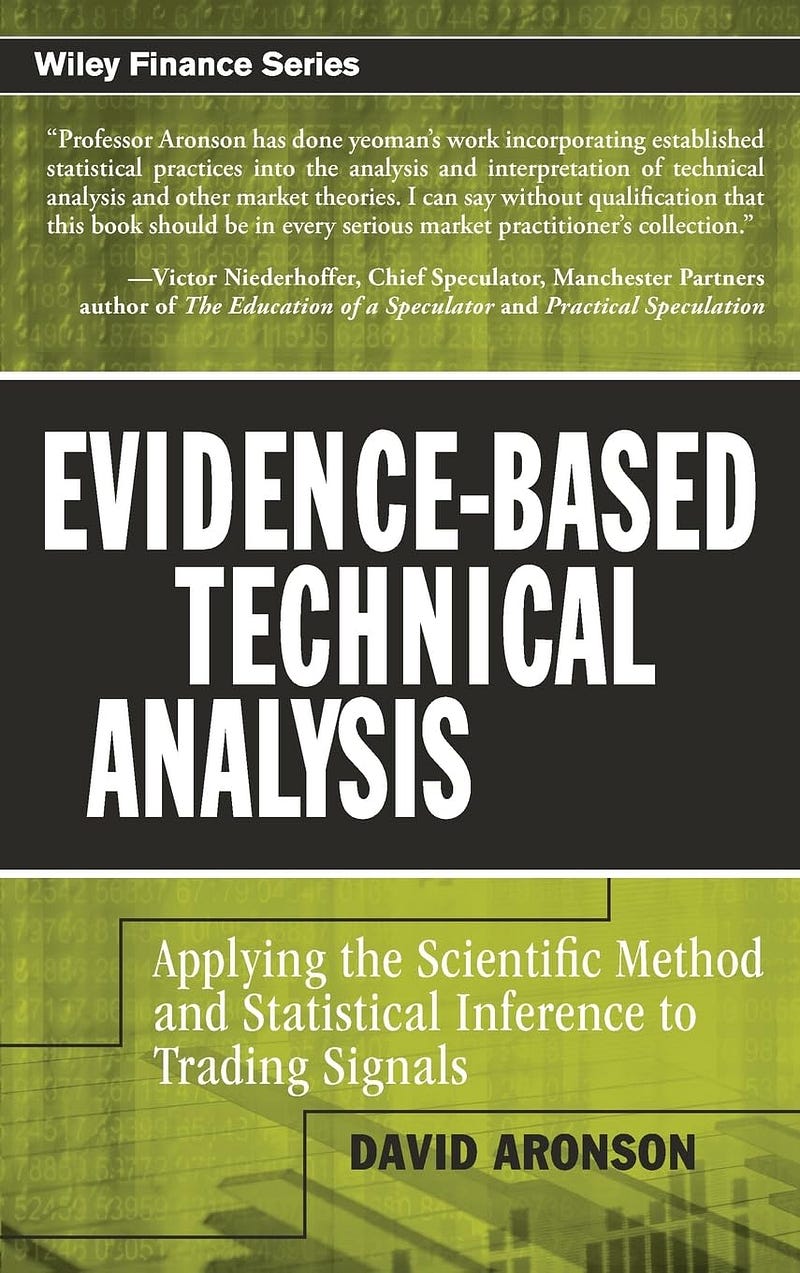
“Evidence-Based Technical Analysis” by David Aronson
Okay, I’m recommending this one for a specific reason: it’ll save you from wasting time on nonsense.
Aronson systematically debunks technical analysis patterns that don’t actually work and shows you how to properly test whether a pattern has predictive power. This is crucial because the internet is full of “trading strategies” that are basically astrology.
As an RL practitioner, you need to know:
How to distinguish signal from noise in market data
Why data snooping bias is deadly
How to properly validate trading strategies
The limits of historical backtesting
This book will make you appropriately skeptical, which is essential when working with financial data. Markets are noisy, and it’s easy to find patterns that don’t actually exist or won’t persist out of sample.
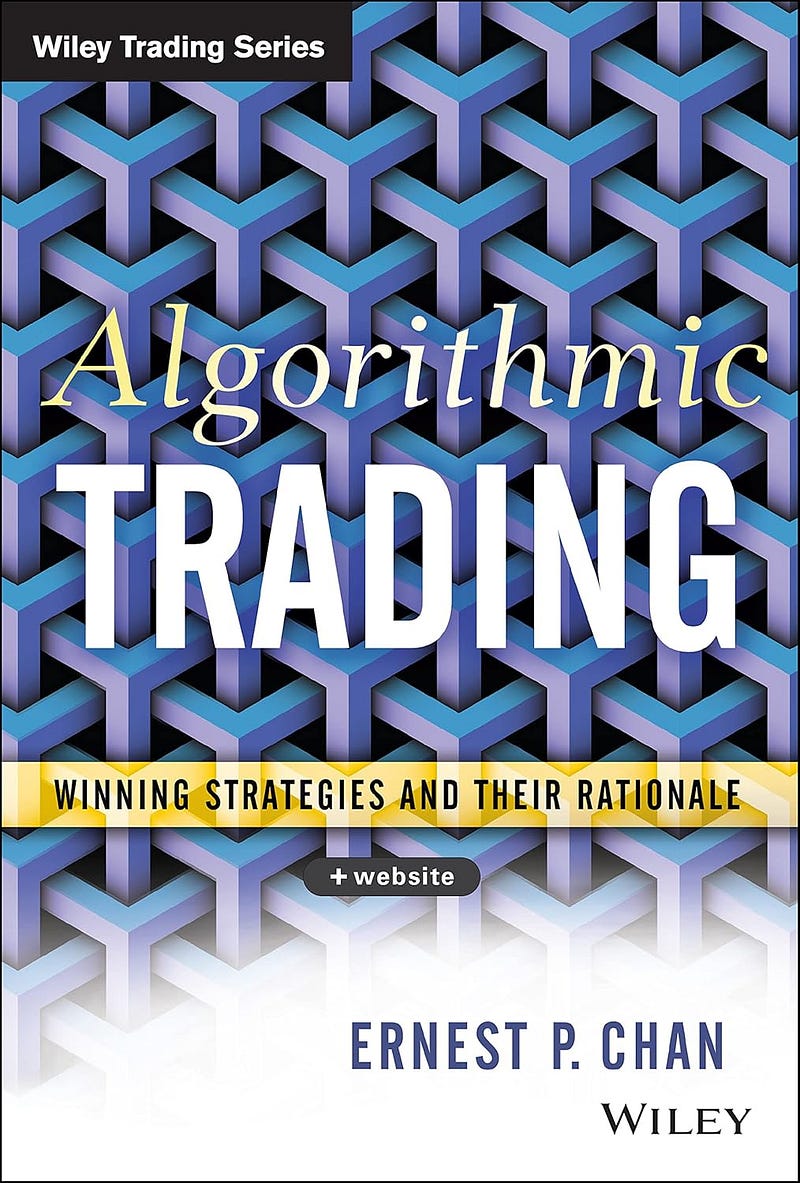
“Algorithmic Trading: Winning Strategies and Their Rationale” by Ernest Chan
Chan is a practitioner who runs his own quantitative trading firm, and this book reflects real-world experience rather than academic theory.
What makes this valuable for RL practitioners? Chan shows you strategies that actually work in practice, which can inform your reward function design and feature engineering. You’re not learning RL in a vacuum — you’re seeing proven approaches that you can enhance with RL techniques.
The book is accessible without dumbing things down, and includes MATLAB code (though you’ll probably translate it to Python). IMO, it strikes the perfect balance between theoretical soundness and practical applicability.
Specialized Topics Worth Exploring
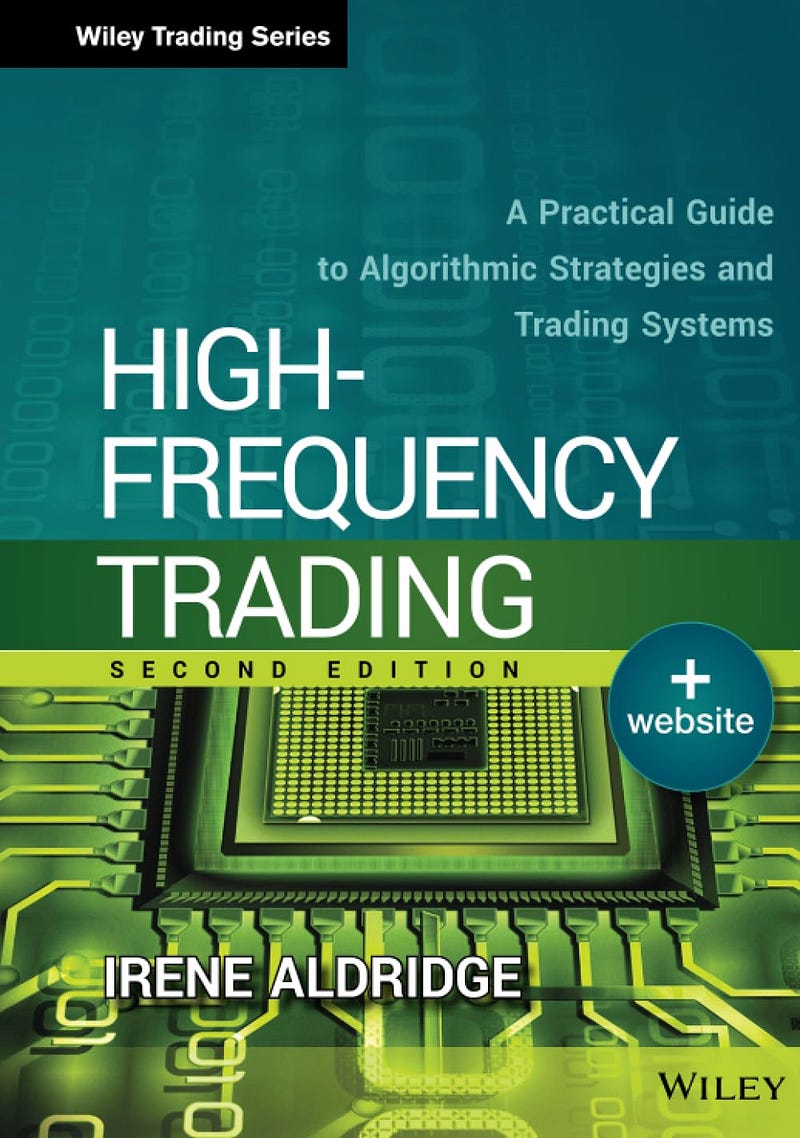
“High-Frequency Trading” by Irene Aldridge
If you’re interested in applying RL to high-frequency trading, Aldridge’s book is essential. HFT is a completely different beast from traditional algorithmic trading.
Honestly, HFT might not be the best application for RL given the latency requirements, but understanding this space helps you appreciate where RL is and isn’t appropriate. Plus, some concepts from HFT (like optimal execution) apply to slower trading as well.
“Algorithmic and High-Frequency Trading” by Álvaro Cartea, Sebastian Jaimungal, and José Penalva
This one is academic but excellent for understanding the mathematical foundations of algorithmic trading. It’s particularly strong on optimal execution problems, which are natural applications for RL.
The connection to RL is direct — many of these problems are essentially continuous-time RL problems. Understanding the classical solutions gives you baselines to compare your RL agents against.
Building Your Learning Path
Look, you don’t need to read all these books immediately. Here’s how I’d suggest prioritizing:
Then add domain knowledge: 3. “Trading and Exchanges” (Harris) — Market mechanics 4. “Evidence-Based Technical Analysis” (Aronson) — Reality check
Finally, go deep on RL applications: 5. “Deep Reinforcement Learning for Trading” (Janisch & Filos) 6. “Algorithmic Trading: Winning Strategies” (Chan)
The rest are valuable for specific interests or when you’re ready to go deeper on particular topics.
What These Books Won’t Teach You
Let’s be real about the limitations. These books give you knowledge, but they won’t give you:
Data access: Real trading requires quality data, which isn’t free. You’ll need to figure out data sources separately.
Execution infrastructure: Building the actual systems to execute trades in production is its own massive challenge that these books barely touch.
Emotional discipline: Reading about trading strategy is different from watching your algorithm lose (or make) real money. The psychological aspect is brutal and no book fully prepares you for it.
Regulatory knowledge: Depending on what you’re doing, there may be legal requirements you need to understand. These books don’t cover compliance in detail.
You’ll need to supplement your book learning with practical experience, ideally starting with paper trading or very small real-money positions.
The Bottom Line
Algorithmic trading with RL is genuinely exciting, but it’s also genuinely hard. The books I’ve recommended will give you the foundation you need to avoid the most common mistakes and actually build strategies that have a chance of working.
Start with López de Prado and Jansen — they’ll give you the essential knowledge. Then branch out based on your specific interests and the types of strategies you want to pursue.
Remember, though: even with all this knowledge, most trading strategies fail. Markets are competitive, and you’re up against well-funded teams with decades of experience. Approach it with appropriate humility, manage your risk carefully, and never trade with money you can’t afford to lose.
But if you do the work, learn the domain, and apply your RL skills thoughtfully? There’s genuine opportunity here. These books will get you started on the right path. The rest is up to you — and probably a lot of trial, error, and expensive lessons along the way. Good luck out there!


Comments
Post a Comment